
Related Guides:
Related Products:
Credit and debit card payments accounted for approximately 62% of all financial transactions in the United States in 2023, and there is evidence of a clear and continuing trend away from cash and towards card payments.
Whatever your views are on this change, it’s clear that credit card usage, in particular, has seen significant growth, nearly doubling its share since 2016. Securely handling credit or debit card transactions is now more critical than ever for your business.
Guaranteed security is essential when handling card payments, making Payment Card Industry Data Security Standard (PCI DSS) compliance vital. For 2026, PCI DSS 4.0 is the only standard that matters. The “best” host depends on whether you need a team to manage that compliance for you or if you have the internal engineering to handle it.
| Provider | Best for | PCI Approach | Audit-Proof Evidence You Can Access |
| Atlantic.Net | Managed PCI-ready environments | Shared responsibility + managed security options | PCI-focused hosting program + audited controls; SLA terms |
| AWS | Custom payment apps at scale | Shared responsibility | PCI DSS Level 1 Service Provider; AOC + responsibility summary via AWS Artifact |
| Microsoft Azure | Microsoft-centric stacks | Shared responsibility | Service Provider Level 1 validation; AOC available to customers |
| Google Cloud | GKE / Google-native architectures | Shared responsibility | PCI DSS 4.0.1 compliant services list + shared responsibility matrix |
| Shopify | Reduce PCI scope with hosted checkout | Platform-managed checkout | Level 1 PCI DSS compliance extends to stores by default |
| Rackspace | PCI-certified provider + managed environments | Provider-certified facilities + managed options | PCI DSS Level 1 provider status for facilities in multiple regions (per Rackspace) |
| SiteGround | Stores using off-site PCI payment processors | “Scope reduction” approach (don’t host card data) | SiteGround guidance says PCI compliance is typically handled by the payment processor, not your whole website hosting. |
Before you pick a “PCI compliant host,” separate two things:
The providers below are strong options in 2026, but they fit different payment architectures—from managed PCI-ready hosting to hyperscaler cloud to hosted checkout that reduces your PCI scope.

Atlantic.Net positions a dedicated “PCI-compliant hosting” offering aimed at businesses running regulated workloads. If you want a host that leads with compliance use cases (instead of “general web hosting”), Atlantic.Net is one of the clearer “PCI-ready environment” options.
Below is Atlantic.Net’s cloud control panel interface used to deploy and manage dedicated and GPU servers.
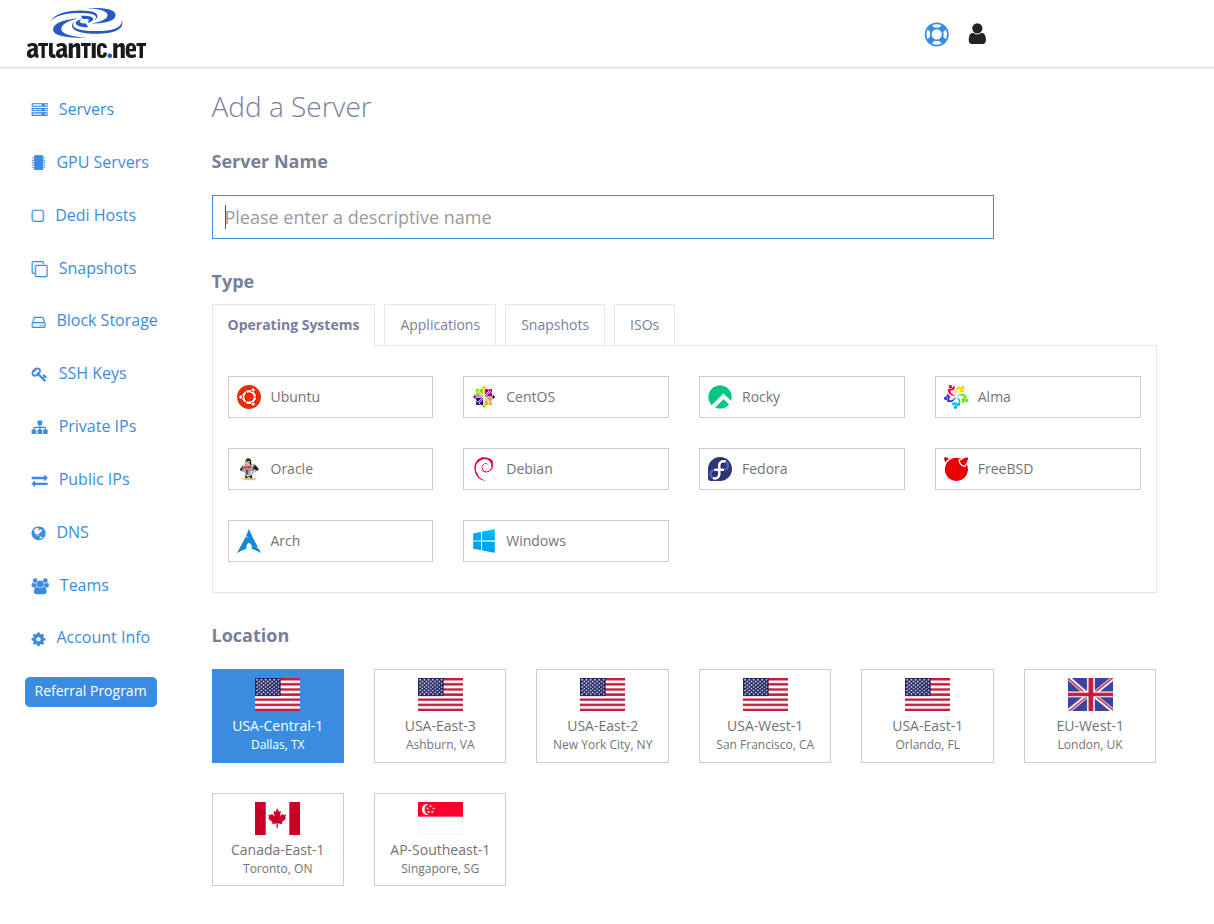
Image Source: Atlantic.Net
What stands out:
Who should choose Atlantic.Net?
Teams that want a PCI-ready hosting baseline and don’t want to assemble every control from scratch.

AWS states it is certified as a PCI DSS Level 1 Service Provider and makes the PCI DSS Attestation of Compliance (AOC) and Responsibility Summary available to customers through AWS Artifact. This is a good fit if you’re building a custom payment stack and need strong audit evidence access.
Here is the AWS EC2 dashboard, where you can control instances, monitor status, and configure settings.
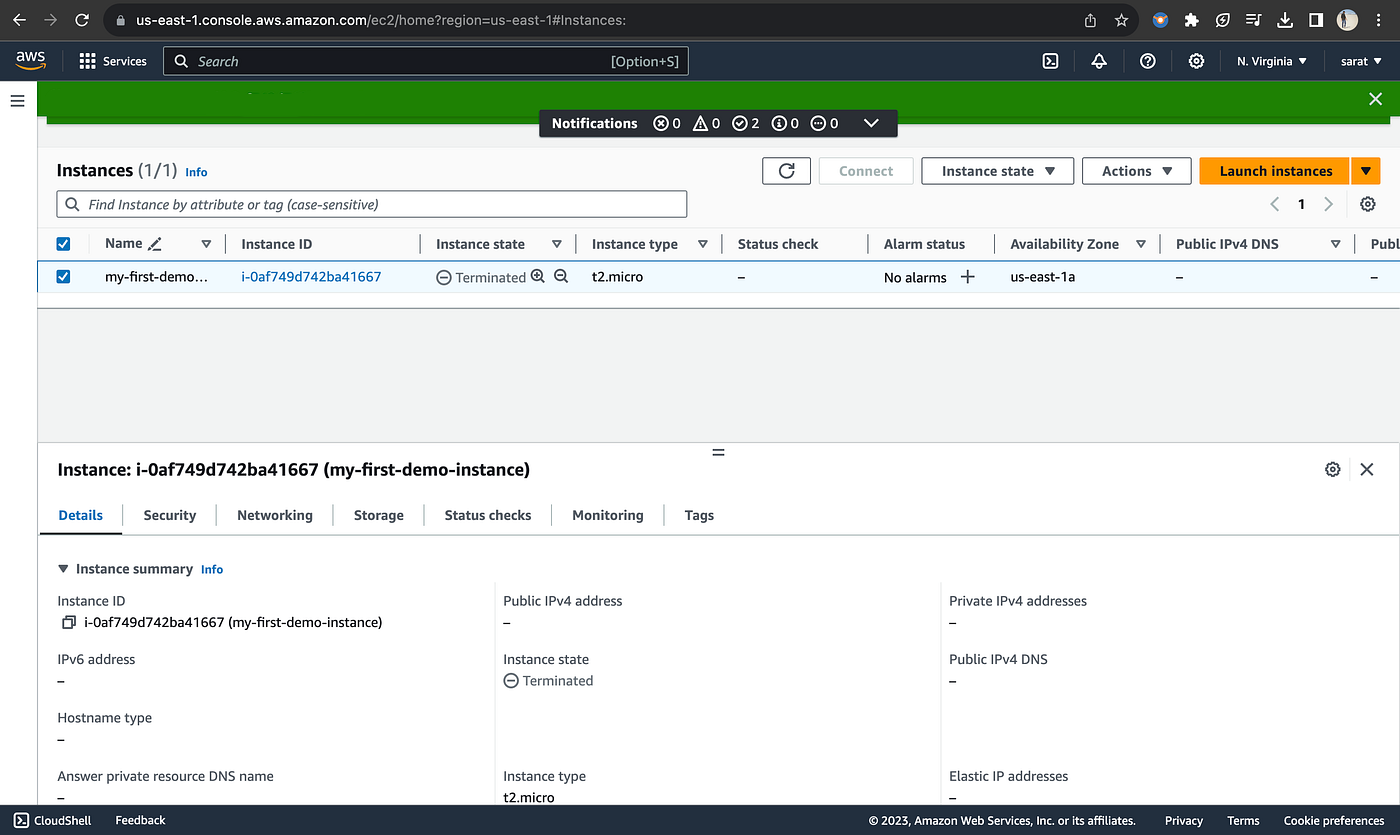
Image Source: AWS
What stands out:
Who should choose AWS?
Engineering-led teams building custom payment systems with mature security operations.

Azure maintains a PCI DSS validation at Service Provider Level 1 and publishes PCI compliance guidance through Microsoft documentation. If your identity, monitoring, and governance are already centered on Microsoft, Azure keeps payment workloads aligned with the rest of your platform.
Explore the Azure dashboard to organize resource groups, track usage, and manage cloud services from a centralized platform.
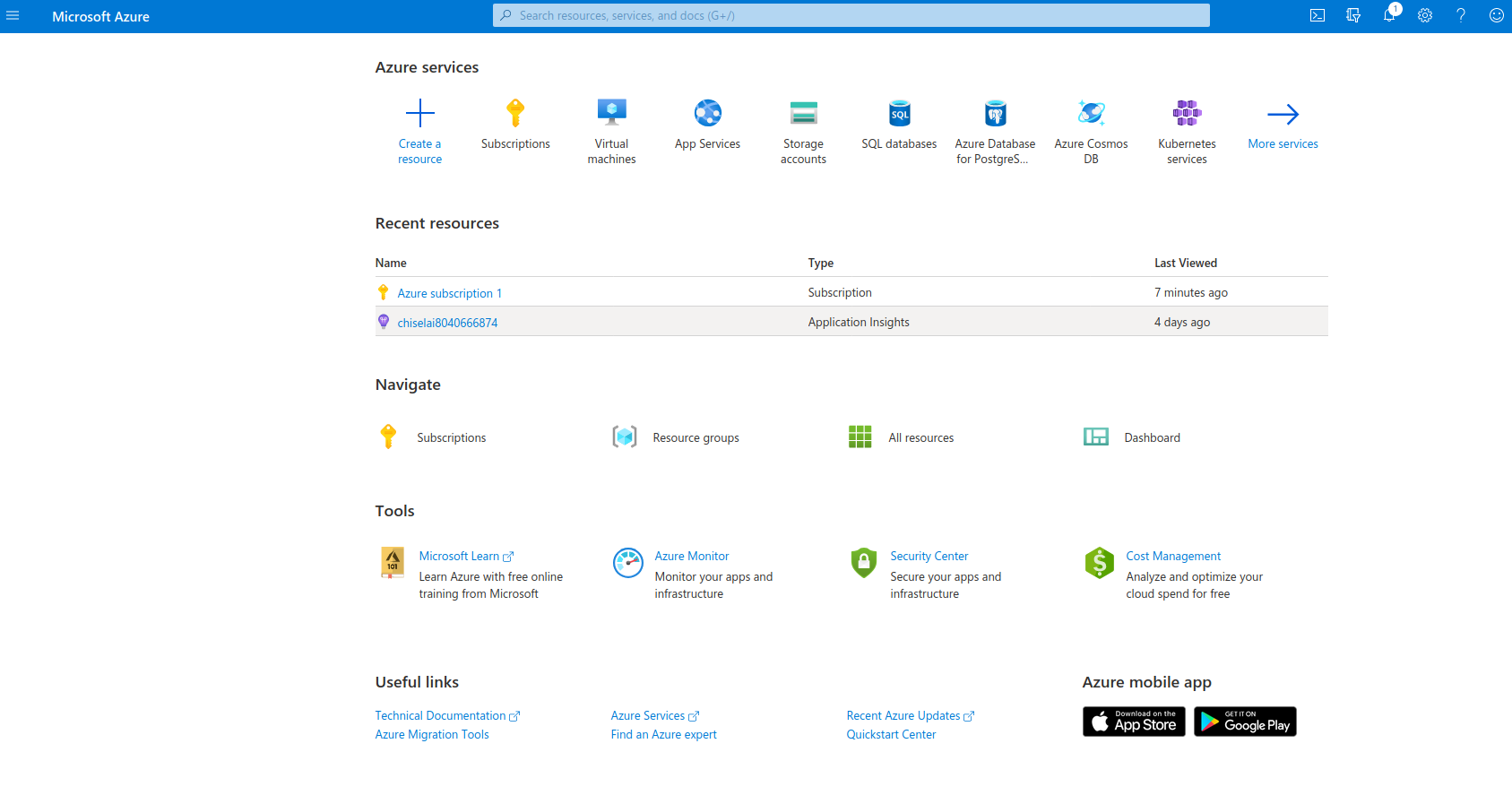
Image Source: Azure
What stands out:
Who should choose Microsoft Azure?
Teams running a Microsoft-heavy stack who want PCI workloads under the same controls and governance.

Google Cloud publishes a PCI DSS compliance page listing services reviewed by an independent QSA and determined to be PCI DSS 4.0.1 compliant, plus a shared responsibility matrix. If you’re running PCI systems on GKE or Google-native services, this documentation helps clarify what’s “in scope” and who owns which controls.
Manage cloud services with the Google Cloud dashboard, where you can create virtual machines, deploy applications, and analyze data using built-in tools.
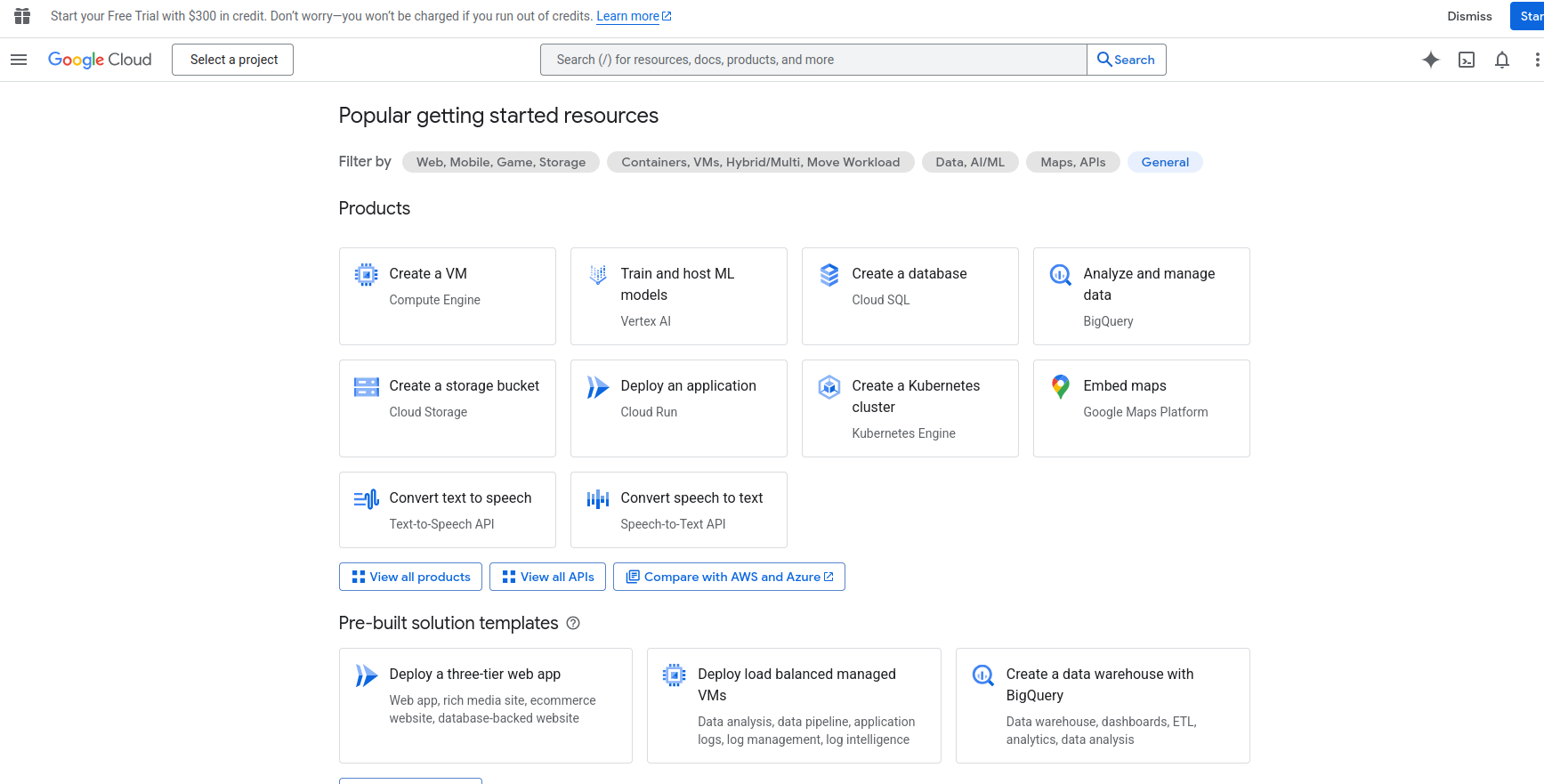
Image Source: Google Cloud
What stands out:
Who should choose Google Cloud?
Teams building PCI workloads on GKE or Google-native services that want clear scoping documentation.

Shopify states it is certified Level 1 PCI DSS compliant and that this compliance extends by default to all stores powered by Shopify. For many merchants, this is the simplest way to keep most card-data handling out of your own servers and reduce PCI overhead.
Explore the Shopify dashboard to build applications, manage deployments, and efficiently oversee store-related resources.
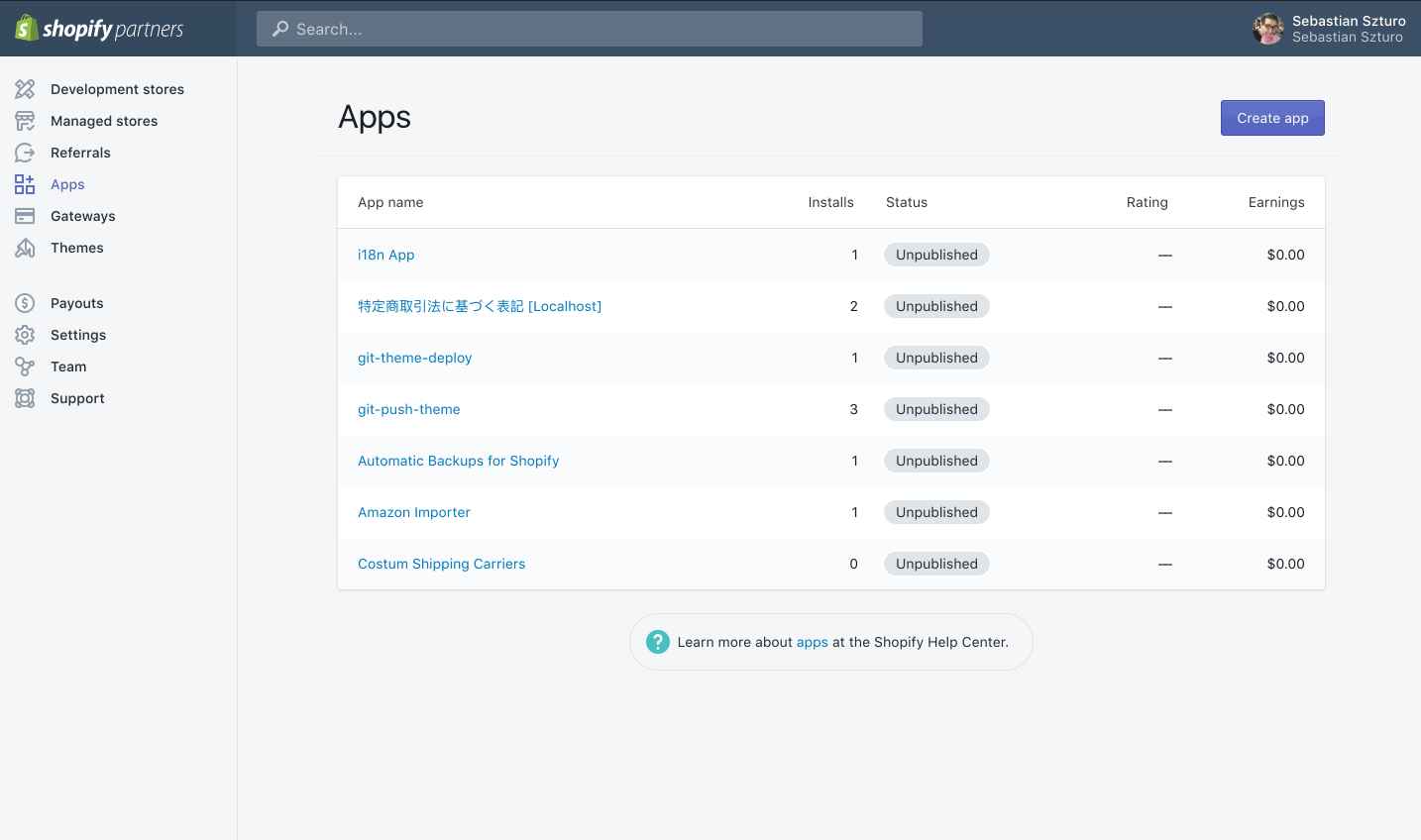
Image Source: Shopify
What stands out:
Who should choose Shopify?
Merchants who want to minimize PCI scope and avoid self-hosting payment flows.

Rackspace states it has achieved PCI DSS Level 1 provider status for facilities in the U.S., U.K., Hong Kong, and Australia, and it positions PCI-capable solutions across public cloud, private cloud, dedicated, and hybrid environments. This is useful if you want a managed provider that publishes PCI certification positioning and can support multiple infrastructure models.
Control your environment through the Rackspace dashboard, designed for deploying applications, managing databases, and handling cloud resources.
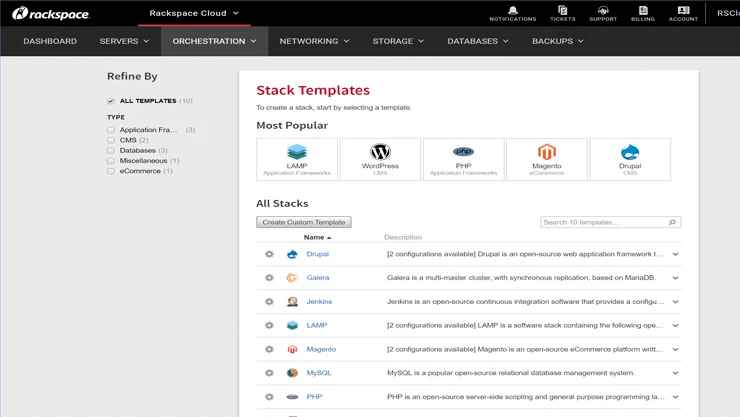
Image Source: Rackspace
What stands out:
Who should choose Rackspace?
Teams that want managed infrastructure choices plus PCI-focused consulting/services.

SiteGround does not market “PCI-certified hosting” as the default requirement for most small businesses. Its published guidance emphasizes that if you use a PCI-compliant payment processor, you typically don’t need to host your own “PCI-compliant server,” because the processor handles sensitive payment data.
Here is the SiteGround dashboard to manage caching, optimize assets, and enhance overall loading times.
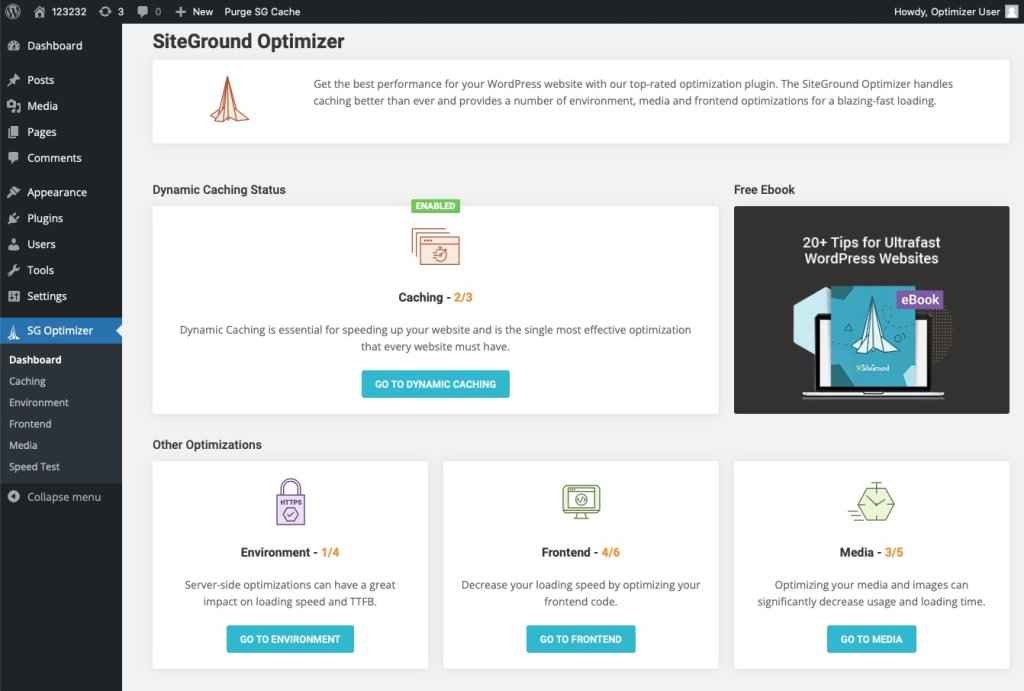
Image Source: SiteGround
What stands out:
Who should choose SiteGround?
Merchants who will not store/process/transmit card data on the server and will rely on a compliant payment provider.
As of March 31, 2025, PCI DSS v3.2.1 is retired. All assessments in 2026 must meet PCI DSS v4.0 standards. This update fundamentally changes hosting requirements. If your host isn’t proactive, you will fail your audit.
Use this when you shortlist vendors:
Audit evidence you can actually obtain
Clear shared responsibility boundaries
Scope reduction support
Security controls you will run every day
Support that understands PCI
Can I use shared hosting for PCI compliance?
Technically, yes, but it is highly discouraged and often impossible to validate. In a shared environment, a “noisy neighbor” could introduce vulnerabilities that compromise your data. Most auditors (QSAs) will require a VPS or Dedicated Server to ensure data isolation. (Note: SiteGround’s GoGeek plan is a rare exception that isolates resources sufficiently for smaller merchants).
Who is responsible for a data breach?
You are. Even if you use a “PCI Compliant Host,” the merchant of record retains ultimate liability. A compliant host covers the infrastructure (power, network, physical security), but you are responsible for secure passwords, application code, and employee training.
Does a “PCI Compliant” badge mean I am compliant?
No. It means the host has passed their audit for the hardware/network. You must still complete your own Self-Assessment Questionnaire (SAQ) covering your software and business processes.
Why is PCI DSS 4.0 harder for hosting?
It removes ambiguity. “Best practices” like authenticated scanning and strict MFA are now hard requirements. Legacy hosts that haven’t updated their access controls will force you to implement costly workarounds.

Written by
Richard Bailey brings over two decades of IT expertise, from traditional data centers to cutting-edge cloud solutions. As the founder of turbogeek.co.uk and a seasoned writer, he focuses on delivering authoritative content on our hosting services, HIPAA compliance, and related topics.

Digital fraud can begin before a payment reaches the approval stage. An attacker might compromise a supplier’s email account, request a change to banking details, and submit a…
 Dr. Assad Abbas

Black Friday concentrates a large volume of online spending into a short window. Adobe Analytics reported $11.8 billion in US online sales on Black Friday 2025, up 9.1%…
Richard Bailey

A PCI DSS Attestation of Compliance (AoC) is a formal document that records the outcome of a PCI DSS assessment. When an organization is assessed as compliant, the…
 Robert Agar
Launch secure, compliant, enterprise-grade infrastructure with confidence.